Home »
Alarm Systems & Monitoring
An alarm on its own is just noise. When alarms trigger, you need verification of what’s actually happening on site and appropriate action based on the real threat level — not automatic escalation to every incident.


Home »
An alarm on its own is just noise. When alarms trigger, you need verification of what’s actually happening on site and appropriate action based on the real threat level — not automatic escalation to every incident.
Verified Monitoring, Not Automated Escalation
Alarm systems are only effective when someone assesses what’s happening and acts on it appropriately. Our monitoring adds human judgement — alerts are verified before we respond, not automatically escalated. That means fewer unnecessary call-outs and faster action on the incidents that actually matter.
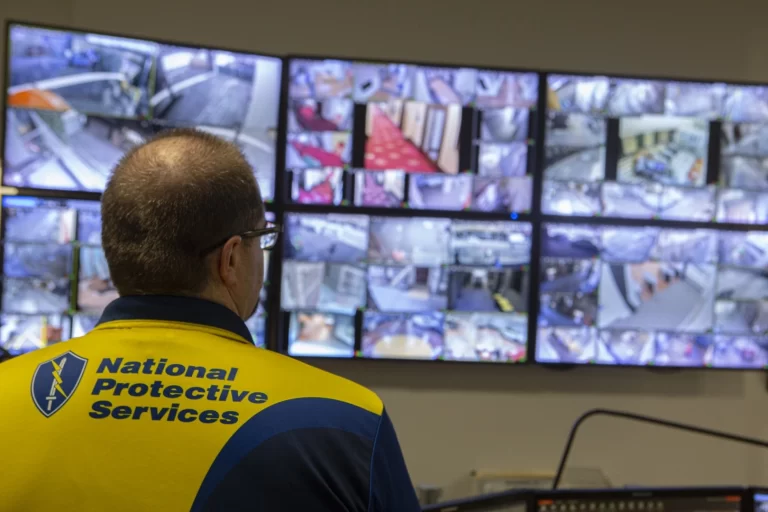
Our Grade A monitoring centre operates around the clock, verifying alarm activations and coordinating responses in line with agreed protocols. Our operators assess incoming alerts, identify genuine security events, and communicate with site contacts, security personnel, and emergency services when required.

When an alarm is verified, we coordinate the response based on the nature of the incident and your site requirements. This may include dispatching patrol officers, notifying key holders, or engaging emergency services. All actions are proportionate, documented, and aligned with client procedures.

False alarms create cost, disruption, and risk. Alarm systems are configured to minimise false activations through appropriate sensor selection, system design, and verification processes. Monitoring further reduces unnecessary responses by confirming events before action is taken.
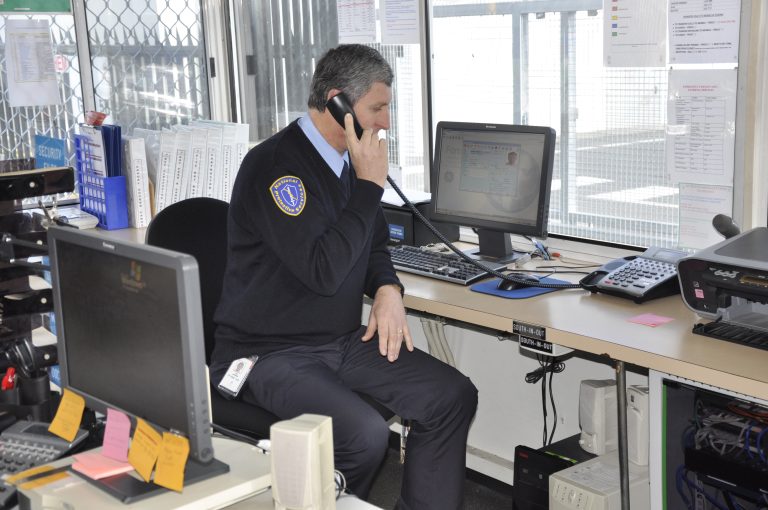
We maintain detailed records of every activation — verification steps, operator actions, and outcomes. These records support your compliance obligations, incident reviews, and insurance requirements by providing clear evidence of how each alarm was managed.
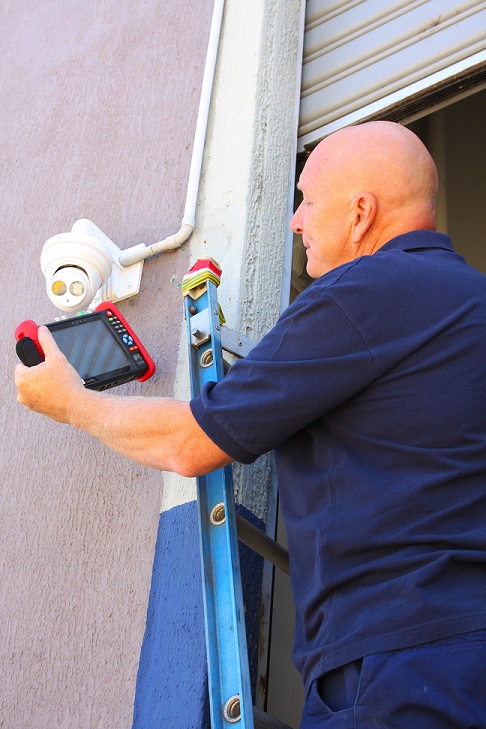
We install camera systems designed to work alongside alarm systems, providing visual verification when alarms trigger. We configure cameras for optimal coverage of alarm zones, integrate feeds with monitoring platforms, and ensure footage quality meets requirements for incident verification, investigation, and evidence.
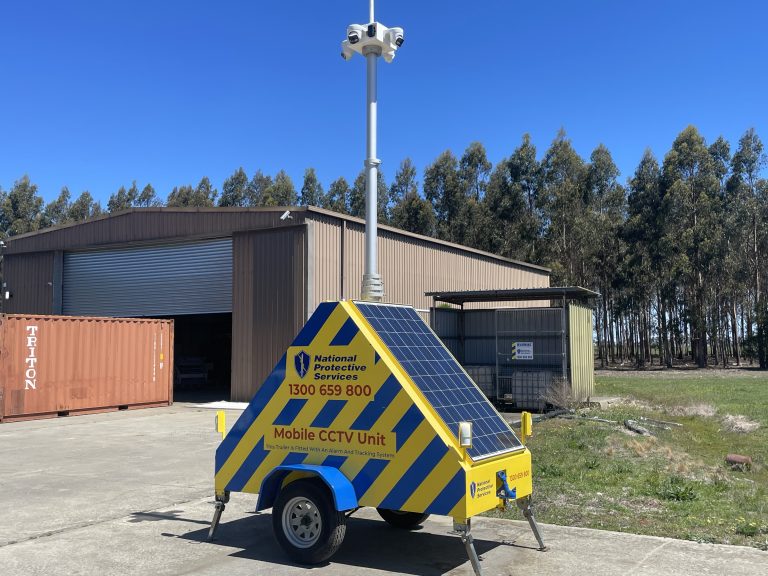
We set up solar-powered mobile surveillance units for sites without permanent infrastructure or requiring temporary monitoring. These autonomous systems operate independently with integrated alarms, motion detection, and remote monitoring capabilities – providing security coverage for construction sites, remote facilities, and temporary locations where traditional systems aren’t practical.
Ready to strengthen your security? Talk to our team today.
Our specialists will assess your site and recommend the right monitoring setup for your situation.
What Our Clients Say
Latest News
Frequently Asked Questions
An alarm system is only effective if alerts are verified and acted on appropriately. Effective systems combine reliable detection with professional monitoring that can assess what’s actually happening on site. Without verification and response protocols, alarms can generate noise rather than meaningful protection.
Monitored alarm verification means our operators assess activations before response. By reviewing alarm data alongside CCTV or site information, operators can distinguish genuine security incidents from false triggers caused by environmental factors or routine activity. This reduces unnecessary patrol dispatches and emergency call-outs while ensuring real threats are escalated promptly.
When an alarm activates, monitoring centre operators follow agreed response protocols. Depending on the situation, this may involve contacting key holders, dispatching security patrols, or coordinating with emergency services. Responses are based on verified information rather than automatic escalation, ensuring actions are proportionate and documented.
Yes. We maintain detailed records of activations, verification steps, operator actions, and response outcomes. These logs support compliance obligations, internal reviews, and insurance claims by providing clear documentation of how incidents were managed.
Yes — alarm systems work across all environments, from single retail sites to complex multi-site government and industrial operations. The key is how they’re designed and monitored. Higher-risk environments need more sophisticated sensor configurations, tighter escalation protocols, and monitoring teams who understand the specific risk profile of each site. That’s where professional monitoring makes the difference.
Ready to discuss alarm systems and monitoring?
Contact our specialist security team today.