

When a client asks us about camera coverage for a site, the first question we ask is not about cameras. It is about time.
How long does the security need last? That answer helps determine the right solution, because a site that needs coverage for the next ten years and a site that needs coverage for the next ten weeks call for very different approaches. Choosing the wrong one can mean paying too much, getting the wrong level of flexibility, or ending up with a system that no longer fits the site once the security needs change.
The Core Question: How Long Is the Risk?
Long Term Security Surveillance
If the security need is ongoing and the site has stable infrastructure, a professionally designed CCTV installation is often the better fit. It usually involves a higher upfront investment in design, equipment, and installation, but it becomes part of the site’s long-term security infrastructure. Over time, that can make the ongoing cost more efficient for a permanent facility.
Temporary Security Surveillance
If the security need is temporary, time-limited, or changing, mobile surveillance is often the more practical option. That might include:
- a construction phase
- a seasonal risk period
- a vacancy between tenants
- a short-term project.
In those situations, the benefit is flexibility: the system can be deployed without major infrastructure work and removed when the need ends.
As a general guide, shorter-term needs often suit mobile surveillance, while longer-term, stable sites often suit permanent CCTV. The right choice still depends on the site, the timeframe, and the level of security required.
What Each Option Typically Provides
Permanent CCTV is usually built around fixed infrastructure, with power and connectivity designed into the site, and is commonly suited to stable facilities where camera positions, access points, and risk areas are unlikely to change much over time. Because the system is designed for the building itself, it can also be integrated with other security measures such as access control and alarm monitoring.
Mobile surveillance is usually designed for flexibility. These units are often powered by solar and battery, connected through cellular networks, and positioned to suit the current site layout. That makes it useful for temporary sites, changing environments, and locations where quick deployment matters more than permanent infrastructure. It can also be used alongside existing systems when a site needs extra coverage for a specific period or risk.
Both options can support monitored response, verified alerts, and real-time assessment when they are set up appropriately. The difference is not in whether they can be part of a security program; it is in how they are deployed, how long they are needed, and how much flexibility the site required.
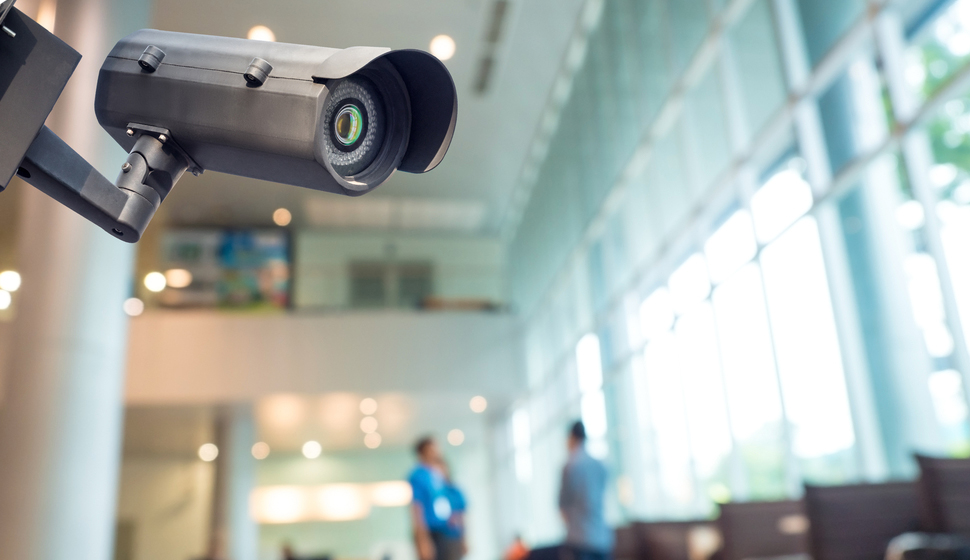
When Permanent CCTV Is the Right Choice
A permanent installation makes sense when the site has a stable layout, when the security need is ongoing, and when the facility already has the infrastructure to support a fixed system. It is a strong fit for long-term premises where camera placement can be carefully planned around entrances such as:
- car parks
- loading docks
- receptions
- other areas that need consistent coverage.
Permanent CCTV also gives you the advantage of site-specific design. Camera angles, lighting conditions, and coverage zones can be planned around how the building operates, rather than fitted as a temporary measure. For a facility you expect to occupy for years, that kind of design work can improve coverage and reduce blind spots.
When Mobile Surveillance Is the Right Choice
Mobile surveillance makes sense when the site lacks permanent power or internet, when the layout is changing, or when coverage is needed quickly rather than after a full design-and-install process. This is often a strong option for construction sites, renovation projects, temporary compounds, vacancies, or any location where the risk period is defined and the infrastructure is not yet permanent.
It can also be useful as a supplementary measure. For example, a site may already have fixed cameras in place but still need temporary coverage for a new storage area, a perimeter change, or a seasonal vulnerability. In that case, mobile surveillance can fill the gap without requiring a major permanent upgrade.
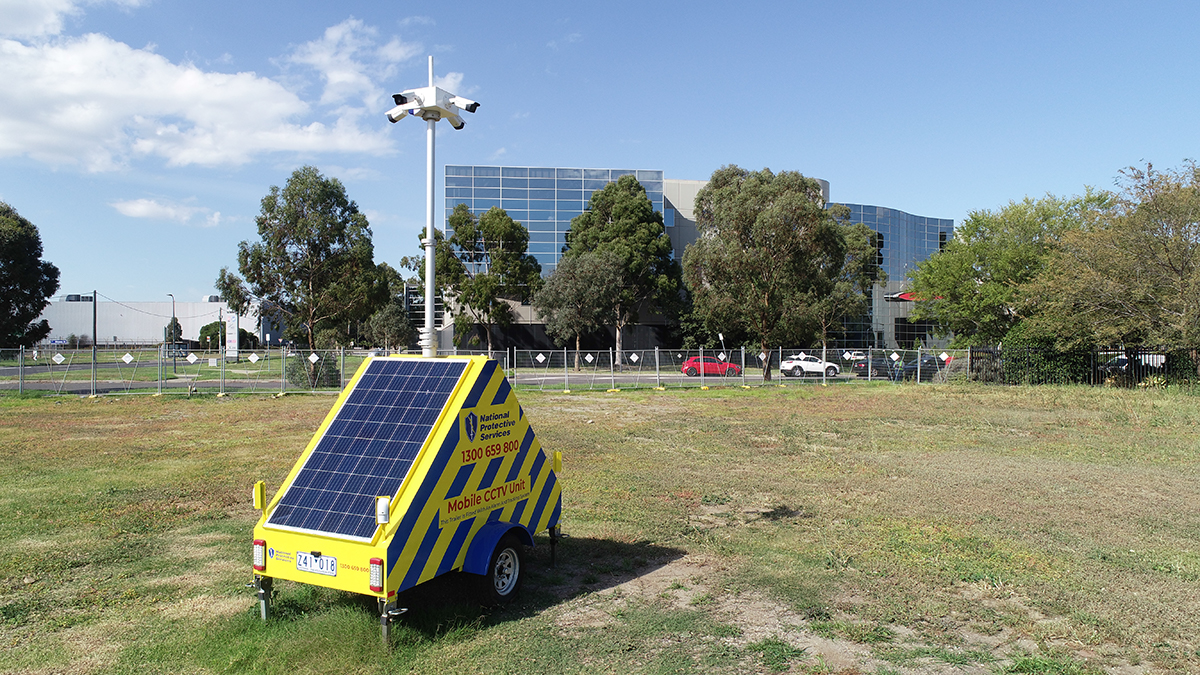
When You Need Both
Some sites benefit from a combination of permanent CCTV and mobile surveillance. For example:
- A warehouse may use fixed cameras for its core areas, then add mobile coverage for an overflow yard during a busy period.
- A school may have a permanent camera system but bring in mobile surveillance during construction works or site changes.
- A business with a long-term facility may still need temporary coverage when part of the site becomes more exposed.
This combined approach is often the most practical answer when the site has both stable and changing risk areas, however it is not a sign that the permanent system has failed. Rather, it highlights that security needs are not static and the coverage should adapt with them.
How to Decide
If you are not sure which option fits your situation, three questions will usually narrow it down quickly.
- Is this a permanent facility or a temporary site? If the site is stable and the risk is ongoing, permanent CCTV may be the better long-term fit. If the site is temporary, changing, or off-grid, mobile surveillance is often the more flexible option.
- How quickly do you need coverage? If you need protection this week, mobile surveillance can often be deployed faster. A permanent installation usually needs site assessment, design, equipment selection, and fit-out, which takes longer but may be worthwhile for a long-term site.
- What is the cost over the life of the need? Permanent CCTV usually involves more upfront cost but can become more efficient over time. Mobile surveillance usually has lower upfront cost, but if it is needed for a long period, the ongoing service model may become less economical than a fixed system.
Need Help Finding the Best Solution for Your Situation?
We provide both permanent CCTV installations and mobile surveillance, so we assess the site, the risk, and the timeframe before recommending a solution. Sometimes the right answer is one option. Sometimes it is the other. Sometimes it is both.
If you would like help reviewing security options for your site or business, we can help.
Find out more about our Mobile and Autonomous Security Services or contact our team at info@natprot.com.au or call 1300 659 800.