

If you’re looking at electronic security for your business or organisation, chances are you’re trying to solve a real problem: preventing break-ins, improving site safety, managing access, supporting investigations, or meeting compliance requirements. The right electronic security system can help with all of that — but only if it’s designed around how your site actually works.
Most organisations don’t buy electronic security systems because they want cameras and alarms. They buy it because something happened — or because they’re worried something will. A break-in over a long weekend. A staff incident with no footage to review. An insurance claim that couldn’t be supported. A compliance requirement they didn’t realise they had until someone raised it.
The impulse is understandable: get cameras, get alarms, get it sorted. But electronic security systems are infrastructure decisions, not impulse purchases. A system that’s planned around your facility can serve you for years. One that’s installed in a hurry can create issues that are harder and more expensive to fix later.
This guide explains what CCTV, access control, alarms, and video analytics do, how they work together, and what to consider before you invest
What the Components Do
Electronic security systems include several tools, each with a different role. Understanding what each one does — and what it doesn’t — helps you invest in the right combination for your situation.
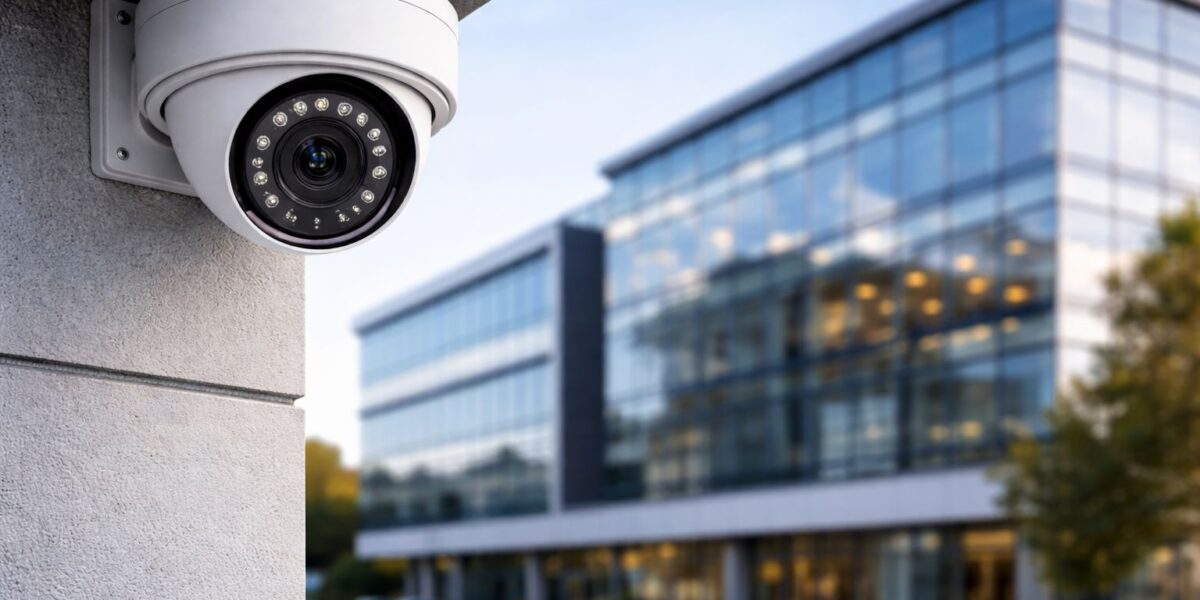
CCTV provides visual coverage of your facility. Cameras are positioned to cover critical areas, entry points, and high-risk zones. The value of a CCTV system depends on three things: camera placement, footage quality, and retention. A system that records poor-quality footage of the wrong areas and overwrites it before anyone reviews it can create a false sense of security.
Access control manages who can enter your facility, when, and where. It replaces keys with credentials such as cards, fobs, PINs, or biometrics, and can maintain an audit trail of access events. When a staff member leaves or a contractor’s access period expires, their credentials can be disabled immediately. No re-keying, no unreturned keys, no guessing who still has access.
Alarms detect abnormal events such as forced entry, after-hours motion, glass breakage, or duress activation. What matters is what happens when an alarm triggers. An alarm that sends a notification to a phone at 3am and hopes someone wakes up is a very different proposition from a monitored alarm that follows a defined escalation process.
Video analytics add intelligence to CCTV. Analytics can help detect unusual activity patterns, monitor restricted areas, generate alerts when defined rules are triggered, and reduce nuisance alarms when properly configured. In some environments, analytics also support operational insights such as people counting, queue monitoring, and flow analysis.
How They Work Together
The most effective security system design is one where the components work together rather than in isolation. CCTV provides visibility. Access control manages entry. Alarms alert you to abnormal events. When they’re connected, you get faster incident verification, better-informed responses, and more accurate documentation.
A practical example: an alarm triggers in a restricted area after hours. The monitoring operator receives the alert and immediately pulls up CCTV footage from the relevant cameras. They can see whether it’s a genuine intrusion or a false trigger. The access control log shows whether anyone badged into the building. Within seconds, the operator has a clear picture and can coordinate the right response — dispatching a patrol, notifying your site contact, or escalating to police with confirmed details.
Compare that to three separate systems: the alarm goes off, someone checks their phone, tries to log into the CCTV app, can’t remember the password, calls the office, and nobody answers. The difference isn’t the technology. It’s whether the systems are designed to work together.
How to Choose the Right Electronic Security System for Your Site
What problem are you solving?
Start with the risk, not the equipment. Are you trying to deter break-ins, manage access, support investigations, meet compliance requirements, or monitor operations? The answer shapes everything that follows.
What does your facility look like?
Camera positions, access points, lighting conditions, sight lines, and operational patterns all affect system design. A system designed around a site inspection will usually outperform one designed from a floor plan or a product catalogue alone.
Who is monitoring the system?
A camera system that nobody watches and an alarm system that nobody responds to are recording devices, not security measures. If your team isn’t equipped to monitor alerts around the clock, professional monitoring through a graded control room can provide stronger verification and escalation than informal self-monitoring, especially after hours.
How will your needs change?
Tenancies turn over. Operations expand. Risks shift. A well-designed system can be adjusted — camera coverage, access permissions, alert rules, and response protocols can all be updated as your situation changes. A rigid system can become outdated when the site does.
What are your compliance obligations?
Some industries and contracts require specific security measures or compliance standards. Know what applies to your business before you specify a system, not after.
What to Ask Your Provider
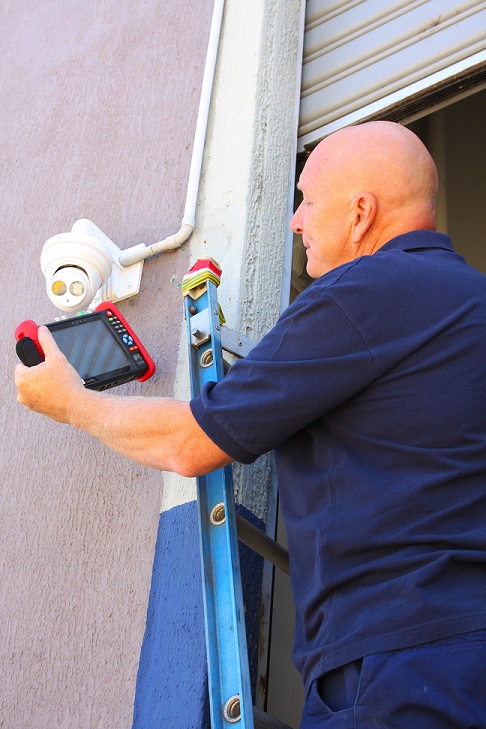
Will you inspect the site before quoting?
A provider who quotes without visiting your facility is guessing about your coverage needs.
Is the system designed around my operations, or is it a standard package?
Your facility has specific sight lines, lighting conditions, traffic patterns, and risk areas. The system should be configured around them.
How do the components integrate?
If your CCTV, access control, and alarms are separate systems that don’t communicate, you’re paying for three tools instead of one security program.
What happens when an alarm triggers at 2am?
The answer should involve verification, assessment, and a defined response — not just a notification on someone’s phone.
What reporting will I receive?
Management and audit tools should give you a clear picture of access events, alarm activations, system health, and incident documentation — particularly if you manage multiple sites or have compliance obligations.
Can the system be adjusted as my needs change?
If the answer is no, you’re buying equipment. If the answer is yes, you’re investing in infrastructure.
Security That Works
Electronic security is one of the most effective investments a business can make in protecting its people, assets, and operations. But the value comes from the design, not just the hardware. A system that’s planned around how your facility works will do more than one installed around whatever happened to be available.
If you would like help reviewing your electronic security options, National Protective Services can help.
Find out more about our Electronic Security Services or contact our team at info@natprot.com.au or call 1300 659 800.